
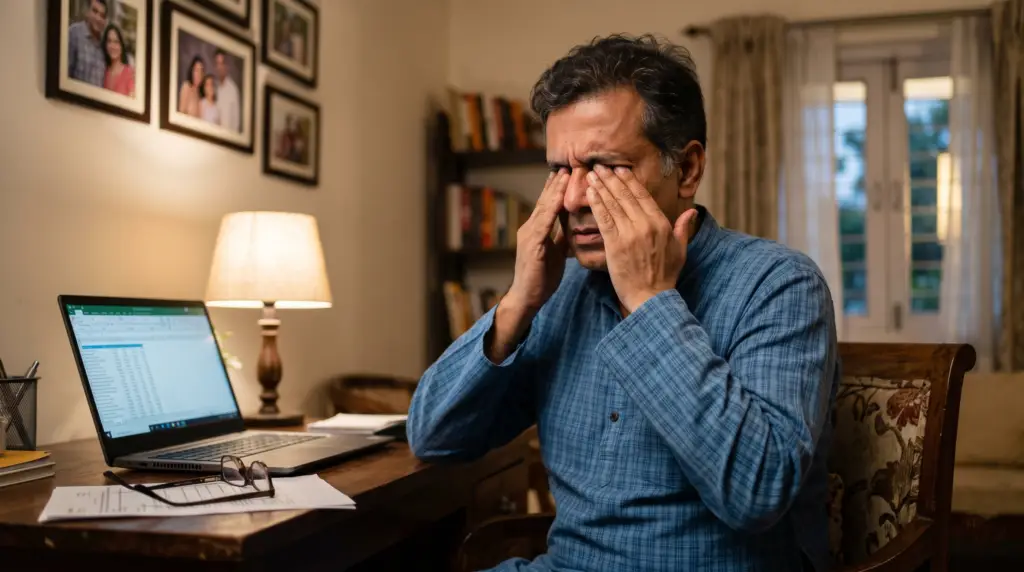
Eye Pressure Importance is a key aspect of maintaining long-term vision and preventing serious eye diseases that can lead to permanent vision loss. Understanding Eye Pressure Importance helps individuals recognize why regular eye examinations are necessary for monitoring Intraocular Pressure and detecting abnormalities early. Changes in Intraocular Pressure may occur without noticeable symptoms, making Eye Pressure Importance even more significant for preserving eye health. Eye specialists often recommend an Eye Pressure Test to identify High Eye Pressure before it causes damage to the optic nerve. Although some people may experience Eye Pressure Symptoms such as blurred vision, headaches, or eye discomfort, many cases of High Eye Pressure remain unnoticed until complications develop. Because Eye Pressure Importance is closely linked to the prevention of glaucoma and other vision-threatening conditions, timely Eye Pressure Test evaluations are essential. Recognizing Eye Pressure Symptoms and managing High Eye Pressure through appropriate treatment can help maintain healthy vision. By understanding Eye Pressure Importance and monitoring Intraocular Pressure regularly, individuals can protect their eyesight and reduce the risk of long-term eye damage associated with abnormal eye pressure.
What Is Eye Pressure?
Eye pressure, also known as intraocular pressure (IOP), refers to the pressure created by the fluid present inside the eye. This pressure helps maintain the eye’s shape and supports normal vision.
Although a certain amount of eye pressure is necessary, pressure that becomes too high or too low can affect eye health. Therefore, maintaining a healthy eye pressure level is important for preserving good vision.
Why Is Eye Pressure Important?
Healthy eye pressure allows the eye to function properly. However, when the pressure rises beyond normal limits, it can place stress on the optic nerve.
As a result, prolonged pressure changes may increase the risk of serious eye conditions and vision loss. Since eye pressure changes often occur without noticeable symptoms, regular eye examinations become essential.
How Does Eye Pressure Change?
The eye constantly produces and drains a clear fluid called aqueous humor. Normally, this fluid remains balanced.
However, if the fluid does not drain properly or is produced in excess, eye pressure may increase. On the other hand, insufficient fluid production may cause pressure to become too low.
Therefore, any imbalance in this process can affect overall eye health.
What Is Considered Normal Eye Pressure?
In most individuals, normal eye pressure usually ranges between 10 and 21 millimeters of mercury (mmHg).
Nevertheless, every person is different. Some people may develop eye problems even with pressure within the normal range, while others may tolerate slightly higher readings without complications.
Because of this, doctors evaluate eye pressure along with other factors during an eye examination.
Common Conditions Associated With High Eye Pressure
Elevated eye pressure does not always cause symptoms. However, if left untreated, it may increase the risk of certain eye diseases.
Common conditions linked to high eye pressure include:
- Glaucoma
- Ocular hypertension
- Optic nerve damage
- Progressive vision loss
Therefore, early detection plays a major role in preventing long-term complications.
Who Is More at Risk?
Although anyone can develop abnormal eye pressure, certain factors may increase the risk.
These include:
- Age above 40 years
- Family history of glaucoma
- Diabetes
- High blood pressure
- Long-term steroid medication use
- Previous eye injuries
- Severe nearsightedness
Moreover, individuals with these risk factors should undergo regular eye check-ups.
Warning Signs You Should Not Ignore
In many cases, high eye pressure produces no symptoms. However, severe pressure elevation may cause noticeable discomfort.
You may experience:
- Blurred vision
- Eye pain
- Headaches
- Seeing halos around lights
- Redness in the eyes
- Sudden loss of vision
- Nausea or vomiting in severe cases
If these symptoms appear suddenly, immediate medical attention is necessary.
How Can Eye Pressure Affect Daily Life?
Changes in eye pressure can gradually affect visual quality and daily activities.
As the condition progresses, individuals may experience:
- Difficulty driving, especially at night
- Reduced peripheral vision
- Frequent headaches
- Eye discomfort
- Trouble performing routine tasks
Consequently, untreated pressure-related eye diseases may significantly impact quality of life.
How Is Eye Pressure Measured?
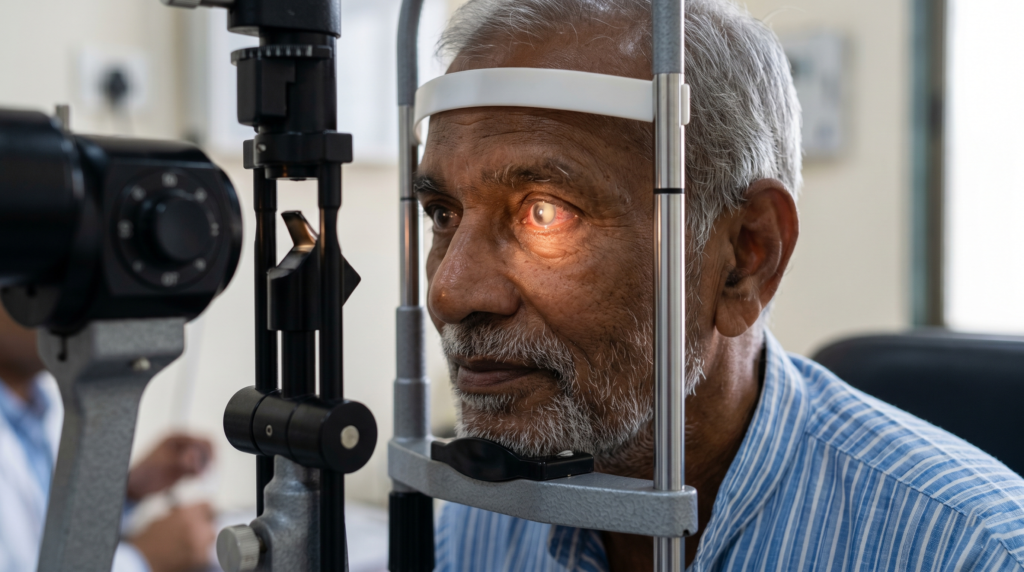
Eye specialists use a painless test called tonometry to measure eye pressure.
Additionally, doctors may perform other tests to evaluate:
- Optic nerve health
- Peripheral vision
- Corneal thickness
- Overall eye condition
Together, these tests help detect problems at an early stage.
How Can You Maintain Healthy Eye Pressure?
Fortunately, several healthy habits may help support normal eye pressure and protect vision.
Important measures include:
- Scheduling regular eye examinations
- Managing diabetes and blood pressure
- Following prescribed medications properly
- Exercising regularly
- Eating a healthy, balanced diet
- Avoiding smoking
- Protecting the eyes from injury
Furthermore, early treatment can help prevent permanent damage to the optic nerve.
When Should You Visit an Eye Specialist?
You should consult an eye doctor if:
- You have a family history of glaucoma.
- You are over the age of 40.
- You experience blurred vision or eye pain.
- You notice halos around lights.
- You suffer from recurring headaches.
- You have diabetes or high blood pressure.
Regular eye check-ups are especially important because high eye pressure often develops silently.
Tips for Maintaining Healthy Vision
Simple daily habits can support long-term eye health.
Helpful tips include:
- Get comprehensive eye examinations regularly.
- Follow your doctor’s recommendations.
- Maintain a healthy lifestyle.
- Keep chronic medical conditions under control.
- Avoid self-medicating with steroid eye drops.
- Seek immediate care if vision changes suddenly.
Consistency in these habits can help protect your eyesight for years to come.
Final Thoughts
Eye pressure is an important part of maintaining healthy vision. Although abnormal eye pressure may not cause symptoms initially, it can gradually damage the optic nerve and lead to vision loss if left untreated. Fortunately, regular eye examinations and timely treatment can help preserve eyesight and prevent serious complications.
📍 Contact Sunayan Eye Care
If you are experiencing blurred vision, eye pain, headaches, or have concerns about glaucoma and eye pressure, our eye specialists are here to help.
📞 Phone:
+91 6646230636
+91 9040030636
📧 Email: sunayaneyecare@yahoo.co.in
📍 Address:
Sunayan Marg, Satyabati Enclave,
Behind State Bank of India
Protecting your eye health through regular check-ups can help preserve clear vision for a lifetime.
