
UV eye damage is a growing concern due to increasing exposure to harmful sunlight during daily outdoor activities. Continuous exposure of UV rays eyes can gradually affect different parts of the eye and lead to long-term problems. Many people remain unaware that sunlight eye damage may develop slowly without obvious symptoms in the beginning. Recognizing early UV eye symptoms and understanding the cataract UV risk associated with prolonged UV exposure can help protect vision and maintain better eye health.
Long-term UV eye damage can affect vision quality and increase the risk of several eye conditions over time. Continuous exposure of UV rays eyes to harmful sunlight may gradually lead to serious sunlight eye damage if proper protection is not used. Many individuals ignore early UV eye symptoms, which can delay diagnosis and treatment. Growing awareness about cataract UV risk is important because prolonged exposure may increase the chances of cataract development. Preventing UV eye damage begins with understanding how UV rays eyes respond to excessive sunlight exposure. Repeated sunlight eye damage can affect daily comfort and long-term vision health, especially when UV eye symptoms are left untreated.
Eye specialists often warn about cataract UV risk in people who spend long hours outdoors. Recognizing UV eye damage early helps reduce complications linked to UV rays eyes and severe sunlight eye damage. Monitoring UV eye symptoms and understanding cataract UV risk allows individuals to take preventive steps and protect overall eye health.

Excessive sunlight exposure continues to increase the risk of UV eye damage in people of all age groups. Constant exposure of UV rays eyes to harsh environmental conditions may slowly contribute to permanent sunlight eye damage if ignored for long periods. Many individuals experience mild UV eye symptoms such as irritation, watering, and light sensitivity without realizing the underlying cause. Eye specialists frequently warn about cataract UV risk, especially among people who spend extended hours outdoors. Protecting against UV eye damage requires limiting direct exposure and understanding how UV rays eyes react to harmful sunlight. Early prevention can reduce severe sunlight eye damage and help control worsening UV eye symptoms over time. Awareness about cataract UV risk also encourages individuals to adopt better eye protection habits for long-term vision health.
What Are UV Rays?
Ultraviolet (UV) rays are invisible rays produced mainly by the sun. While sunlight is important for overall health, excessive exposure to UV rays can harm the eyes over time.
There are different types of UV rays, including:
- UVA rays
- UVB rays
- UVC rays
Among these, UVA and UVB rays are the most concerning for eye health because they can reach the surface of the eyes and surrounding tissues.
How Do UV Rays Affect the Eyes?
The eyes are highly sensitive to sunlight. Therefore, long-term exposure to harmful UV rays may increase the risk of several eye problems.
UV exposure can affect:
- The cornea
- The lens of the eye
- The retina
- Eyelid skin
As damage builds gradually, many people may not notice symptoms in the early stages.
Common Eye Problems Linked to UV Exposure
Excessive sunlight exposure may contribute to multiple eye conditions over time.
Some common problems include:
- Cataracts
- Dry eyes
- Photokeratitis (sunburn of the eye)
- Pterygium (growth on the eye surface)
- Macular degeneration
In severe cases, prolonged UV damage may also affect long-term vision quality.
Warning Signs You Should Not Ignore
Symptoms of UV-related eye strain or damage can vary depending on the level of exposure.
You may experience:
- Eye redness
- Watering or irritation
- Sensitivity to light
- Blurred vision
- Burning sensation in the eyes
These symptoms may become worse after spending long hours outdoors without eye protection.
Who Is More at Risk?
Although anyone can experience UV-related eye damage, certain people face higher risk due to lifestyle or environmental exposure.
Higher-risk groups include:
- People who work outdoors
- Children exposed to strong sunlight
- Drivers and travelers
- Individuals living in hot or coastal regions
- People who spend long hours under direct sunlight
Moreover, UV rays can still affect the eyes even on cloudy days.
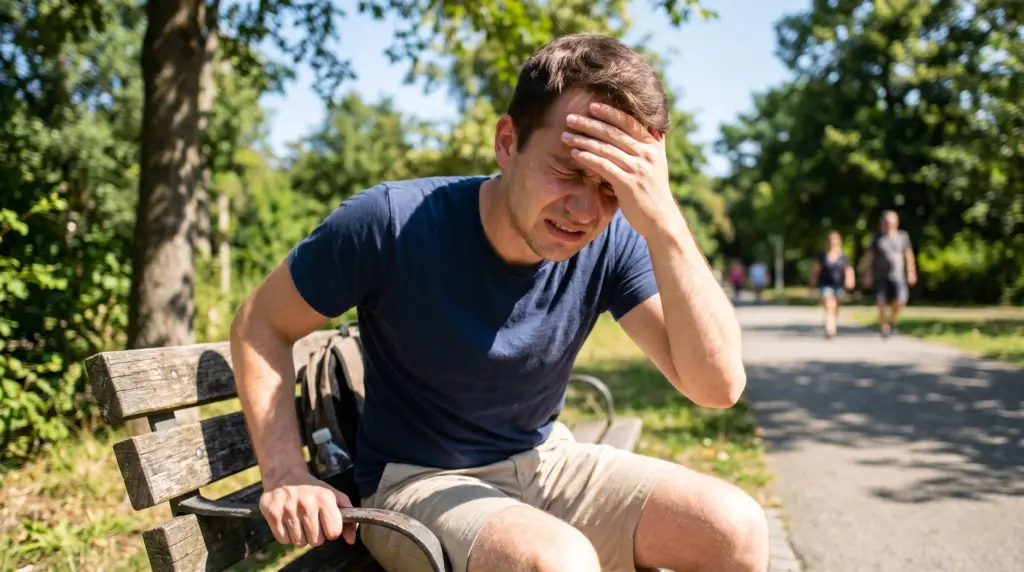
How UV Damage Can Affect Daily Life
Eye discomfort caused by sunlight can interfere with normal daily activities and reduce visual comfort.
This may include:
- Difficulty driving during bright daylight
- Trouble seeing clearly outdoors
- Frequent eye irritation
- Increased headaches from glare
Over time, untreated UV-related damage may gradually affect vision and eye health.
How to Protect Your Eyes From UV Rays
Simple preventive habits can significantly reduce the risk of UV-related eye problems.
Important protective measures include:
- Wearing UV-protective sunglasses
- Using wide-brimmed hats outdoors
- Avoiding direct sunlight during peak afternoon hours
- Using protective eyewear during outdoor sports
- Staying hydrated to reduce dryness
In addition, choosing sunglasses that block both UVA and UVB rays provides better protection.
Why Sunglasses Matter
Not all sunglasses provide proper UV protection. Therefore, selecting high-quality lenses is important for long-term eye safety.
Good sunglasses can help:
- Reduce glare
- Improve outdoor comfort
- Protect the retina and lens
- Lower the risk of cataracts
Children should also wear protective sunglasses because their eyes are more sensitive to UV exposure.
When Should You Visit an Eye Specialist?
You should consult an eye doctor if:
- Eye irritation continues frequently
- Vision becomes blurry in sunlight
- You experience increased light sensitivity
- Redness or discomfort worsens
Early eye examinations can help detect UV-related damage before serious complications develop.
Tips for Healthy Eyes in Sunny Weather
Daily eye care habits can help maintain healthy vision throughout the year.
Helpful habits include:
- Wearing sunglasses regularly outdoors
- Eating antioxidant-rich foods
- Taking breaks during outdoor work
- Avoiding direct exposure to harsh sunlight
- Scheduling regular eye check-ups
Consistency in these habits supports better long-term eye protection.
Final Thoughts
UV rays may seem harmless during everyday outdoor activities, but long-term exposure can seriously affect eye health. With proper protection and regular eye care, many UV-related problems can be prevented. Taking simple precautions today can help protect your vision for the future.
📍 Contact Sunayan Eye Care
If you are experiencing eye discomfort, light sensitivity, or vision problems, our eye specialists are here to help.
📞 Phone:
+91 6646230636
+91 9040030636
📧 Email: sunayaneyecare@yahoo.co.in
📍 Address:
Sunayan Marg, Satyabati Enclave,
Behind State Bank of India
Protecting your eyes from UV rays today can help preserve clear, healthy vision for years to come.
